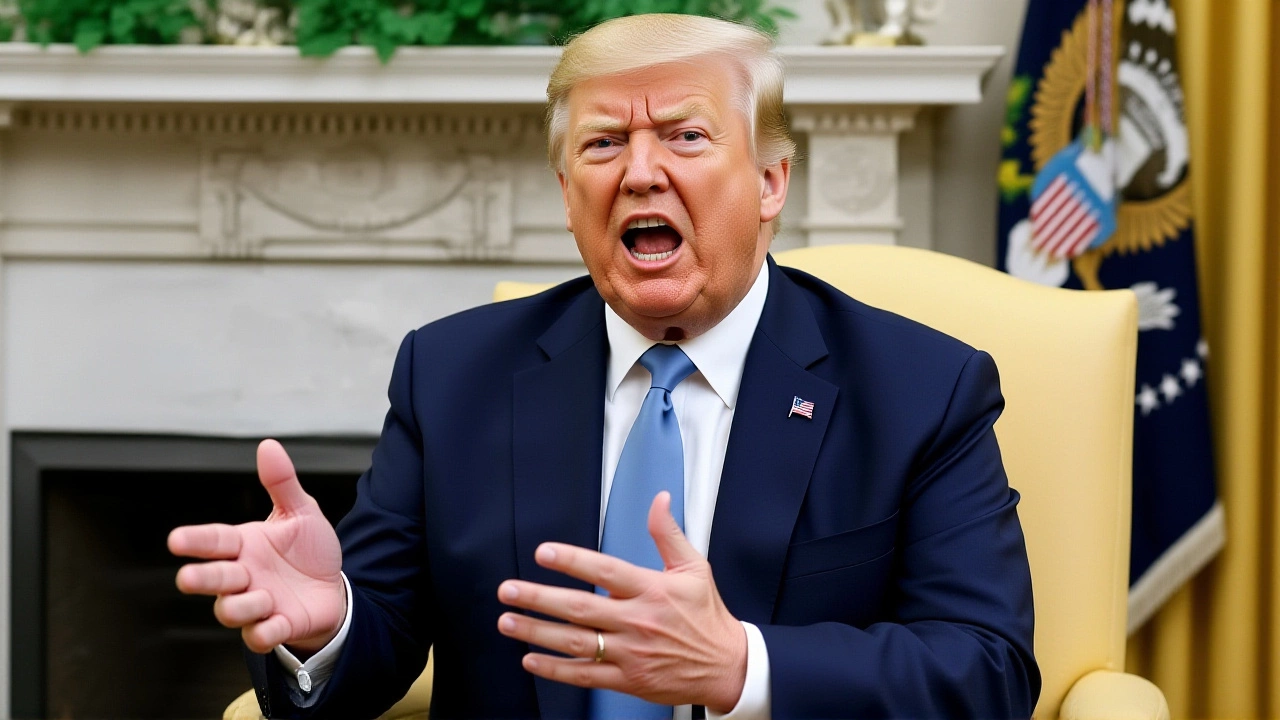
When Donald Trump, President of the United States, picked up the phone last Saturday, he wasn’t just checking in. He was pitching a grand geopolitical pivot: normalize ties with Israel or miss out on the post-conflict peace dividend.
The call connected Washington with leaders from Saudi Arabia, the United Arab Emirates, Qatar, Pakistan, Turkey, Egypt, Jordan, and Bahrain. The message was blunt. With talks underway to end hostilities with Iran, Trump wants these nations to expand the Abraham Accords, recognizing Israel formally once the dust settles.
Here’s the thing: this isn’t just about diplomacy. It’s about leverage. By linking the end of conflict with Iran to broader regional integration, Trump is trying to lock in a legacy project before his term concludes. But will it work? The silence from Riyadh and other capitals so far suggests hesitation.
The High-Stakes Conference Call
According to reports from Navbharat Times and India TV, citing unnamed U.S. officials via Axios, the conference call took place on Saturday. Trump didn’t mince words. He urged Muslim-majority nations to join the Abraham Accords framework, specifically targeting a Saudi-Israeli normalization deal as the "big prize."
Why now? The timing aligns with rumored progress in negotiations between Washington and Tehran. If a ceasefire or comprehensive deal is imminent, Trump sees a window of opportunity. The logic goes like this: remove the Iranian threat, reduce regional tensions, and suddenly, normalizing relations with Israel becomes politically palatable for Arab leaders who have long opposed it.
But wait—this isn’t new territory. The Abraham Accords, signed in September 2020, were already a breakthrough. They brought the UAE and Bahrain into diplomatic alignment with Israel, mediated by the Trump administration. Now, he’s doubling down, hoping to bring in the heavyweights: Saudi Arabia and perhaps even Turkey.
Why Saudi Arabia Is the Key Player
If there’s one country that can make or break this plan, it’s Saudi Arabia. As the de facto leader of the Sunni Arab world, its stance carries weight. For years, Riyadh has balanced anti-Iran sentiment with domestic public opinion that remains largely sympathetic to Palestinian causes.
Trump knows this. That’s why he’s framing the Abraham Accords expansion not just as pro-Israel policy, but as a security imperative. A normalized relationship could mean advanced military technology, economic partnerships, and greater influence in shaping Middle Eastern stability. For Saudi Crown Prince Mohammed bin Salman, it’s a tempting trade-off—if the political cost doesn’t outweigh the benefits.
Yet, no official response has emerged yet. Neither Riyadh nor any other participating nation has commented publicly. This silence speaks volumes. In geopolitics, when leaders don’t say yes immediately, they’re often weighing their options—or preparing to say no.
Reactions and Regional Realities
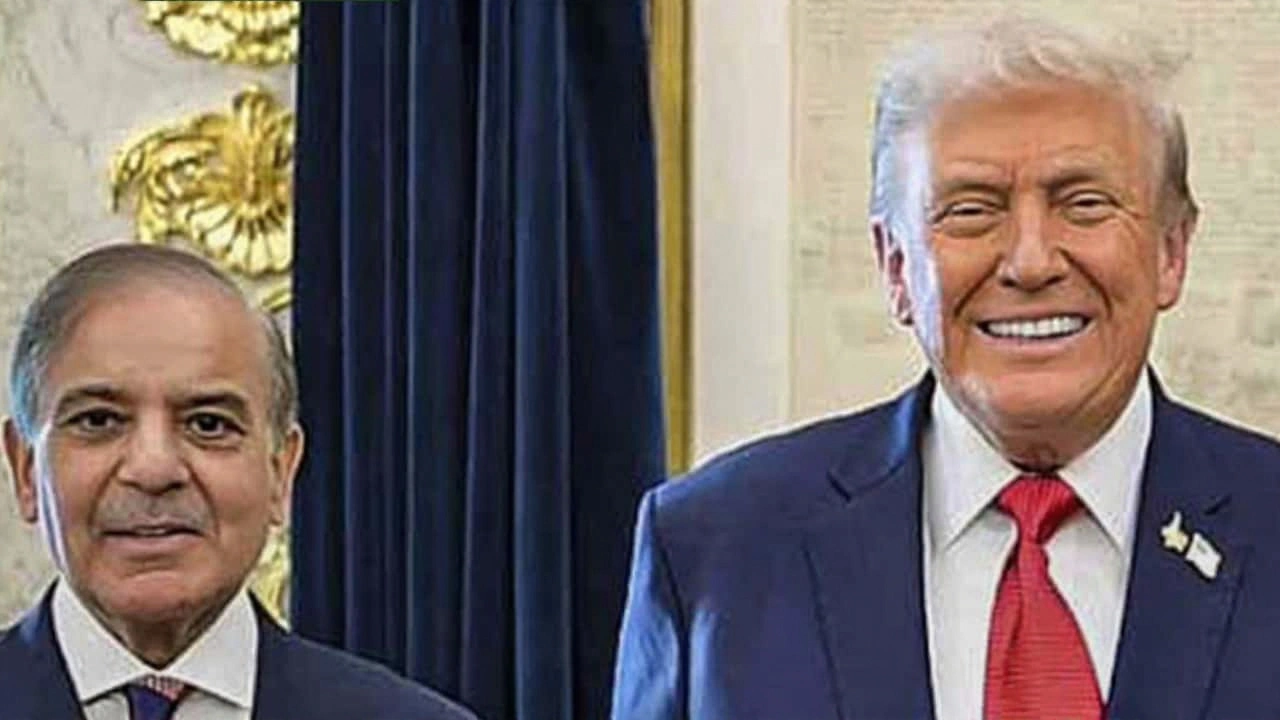
So far, the reaction from Muslim-majority countries has been… nonexistent. No statements. No endorsements. Not even polite non-committal remarks. Just quiet observation.
This isn’t surprising. Many of these governments face internal pressure. In Egypt, Jordan, and Pakistan, public opinion strongly supports Palestine. Normalizing ties with Israel without visible progress toward a two-state solution risks backlash at home. Even in Gulf states like Qatar and the UAE, where pragmatism often trumps ideology, caution prevails.
Turkey adds another layer of complexity. President Recep Tayyip Erdoğan has consistently positioned himself as a defender of Palestinian rights. Asking Ankara to join an Israel-normalization pact is akin to asking a cat to share food with a mouse. Unlikely, unless something major changes.
Historical Context: What Are the Abraham Accords?
To understand what Trump is pushing for, you need to look back to 2020. The Abraham Accords were named after the patriarch shared by Judaism, Christianity, and Islam—a symbolic nod to common heritage. Brokered by the Trump administration, they marked the first time since the Camp David Accords (1978) that multiple Arab nations agreed to recognize Israel peacefully.
The initial signatories—the UAE and Bahrain—were strategic choices. Both had existing informal ties with Israel and saw value in deeper cooperation. Morocco joined shortly after, gaining U.S. recognition of Western Sahara sovereignty in return. Sudan was also considered, though sanctions complicated matters.
Since then, little movement occurred. Then came the war in Gaza, escalating tensions with Iran, and shifting global priorities. Now, Trump is circling back, betting that reduced hostility with Iran creates space for renewed outreach.
What Comes Next?
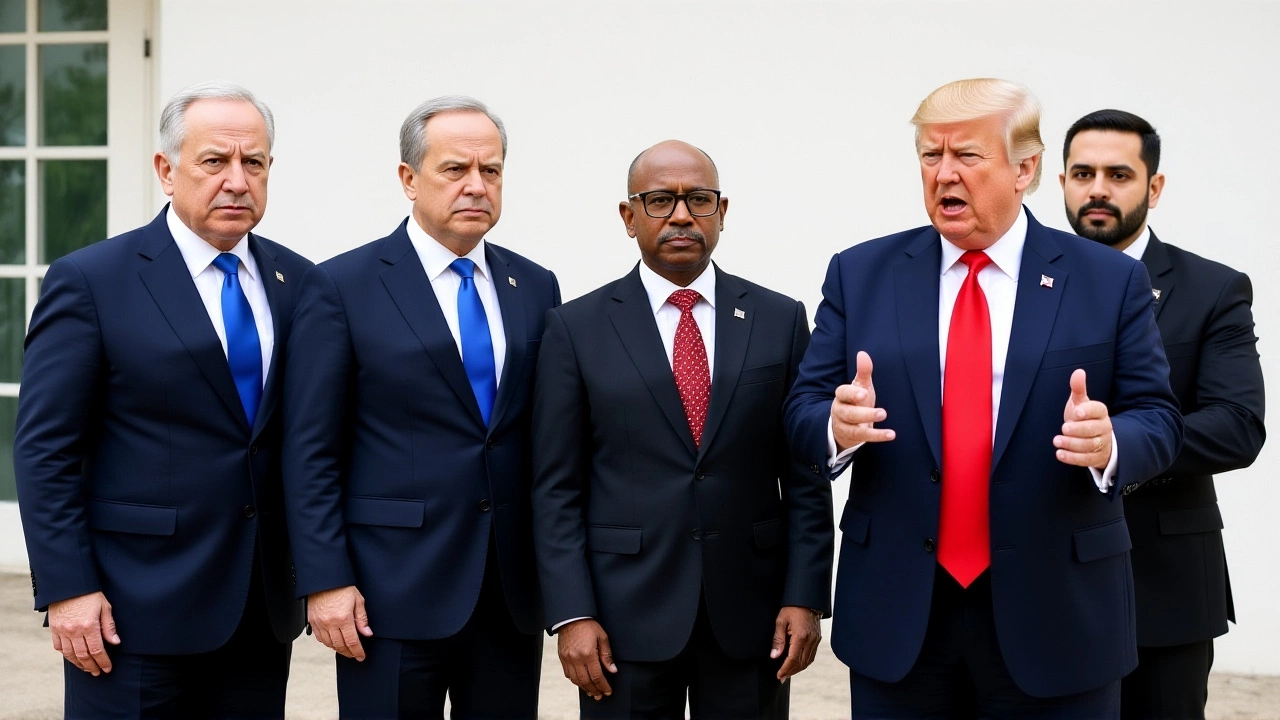
All eyes are now on whether the Iran-U.S. negotiations yield results. If a deal materializes—and if it includes verifiable limits on Iran’s nuclear program and rollback of proxy activities across the region—it could create momentum for Trump’s vision.
But here’s the catch: trust is fragile. After decades of broken promises, sudden shifts in alliance structures require more than presidential calls. They demand tangible incentives, security guarantees, and inclusive frameworks that address core grievances—not just Israeli concerns, but Palestinian aspirations too.
Experts warn that rushing normalization without addressing root causes may backfire. Short-term gains could lead to long-term instability. And history shows us that peace built on exclusion rarely lasts.
Frequently Asked Questions
Who did Donald Trump speak with during the conference call?
Trump spoke with leaders from Saudi Arabia, the United Arab Emirates, Qatar, Pakistan, Turkey, Egypt, Jordan, and Bahrain. These nations represent key players in the Middle East and North Africa, each with varying degrees of engagement with Israel and differing domestic political constraints.
What are the Abraham Accords?
The Abraham Accords are a series of normalization agreements brokered by the U.S. under President Trump in 2020. Initially signed by Israel, the UAE, and Bahrain, they aimed to establish peaceful diplomatic and economic relations. Morocco later joined, making it four Arab nations involved in the framework.
Why is Trump pushing for expanded participation now?
Trump believes that resolving tensions with Iran opens a strategic window to deepen regional cooperation. By tying peace with Tehran to broader Arab-Israeli normalization, he hopes to solidify his foreign policy legacy while promoting stability through integrated security and economic partnerships.
Have any countries responded officially?
As of now, none of the contacted nations—including Saudi Arabia, Egypt, or Turkey—have issued public responses. Their silence indicates careful deliberation rather than outright rejection, suggesting that decisions depend heavily on developments in Iran-related negotiations.
How does this affect the Palestinian issue?
Critics argue that expanding the Abraham Accords sidelines Palestinian statehood efforts. Without concrete steps toward a two-state solution, many fear normalization legitimizes occupation. Supporters counter that economic integration fosters interdependence, potentially creating conditions favorable to future negotiations.