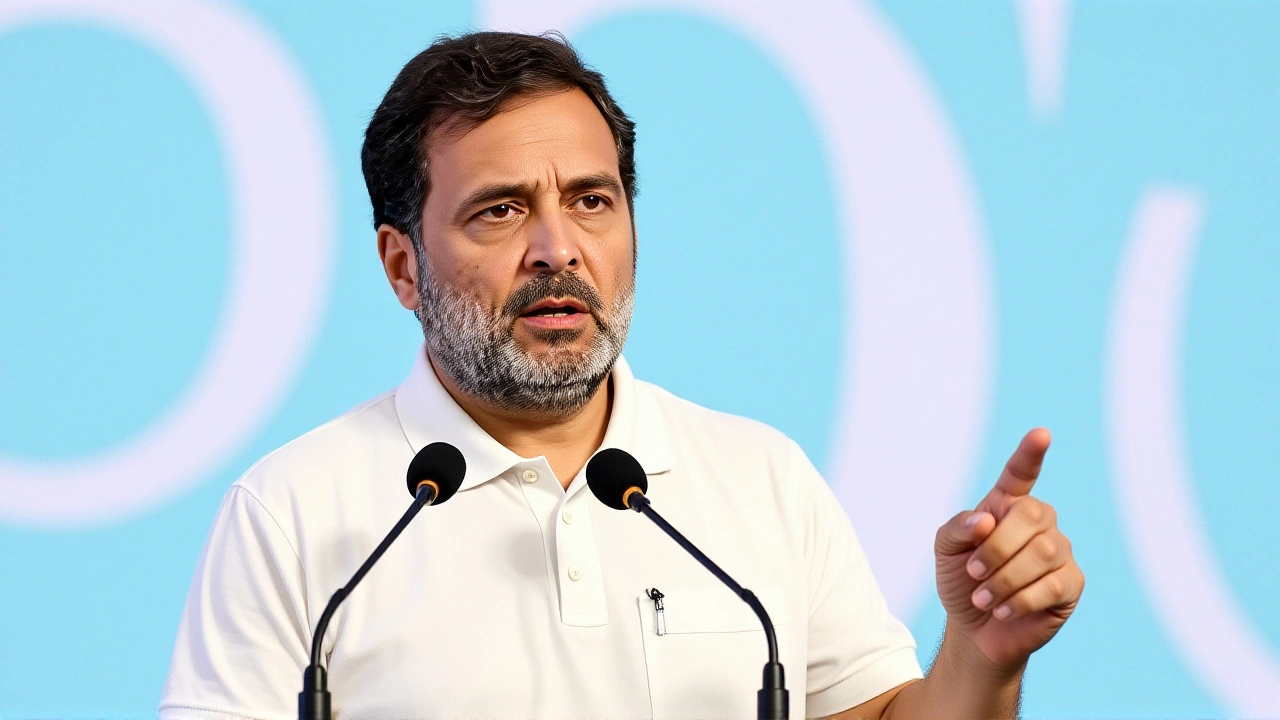
When Rahul Gandhi, senior leader of the Indian National Congress, addressed party insiders last Saturday, he didn't mince words. He told Muslim leaders within the organization to stop hiding behind generic labels and start speaking up forcefully about issues affecting their community. The directive came during a closed-door session of the party's minority advisory council, marking a sharp pivot in how the opposition is choosing to frame its political narrative ahead of crucial state elections.
The meeting took place on May 23 (year not specified in initial reports), though the political ripples are being felt immediately. Here’s the thing: this isn’t just about internal party discipline. It’s a strategic recalibration. By urging leaders to explicitly use the term "Muslim" rather than the broader, softer label of "minority," Gandhi is signaling that the Congress party intends to tackle identity politics head-on. In an era where political discourse often sanitizes specific grievances under umbrella terms, this call for specificity is both bold and risky.
A Shift in Political Language
Gandhi’s message was clear: if a Muslim citizen faces injustice, the response must articulate that injustice through the lens of their specific identity. According to reports from Prabhat Khabar, he argued that using the vague term "minority" dilutes the impact of the grievance. Instead, he insisted that leaders should say "Muslim" when a Muslim is affected. This linguistic precision matters. It forces the issue into the open, denying opponents the ability to dismiss complaints as abstract or generalized.
But wait—it wasn’t just about one community. Gandhi extended this logic to other social groups. He stated that attacks on Dalits, Other Backward Classes (OBCs), or even those from the general category must be raised with the same explicit reference to their specific identities. The underlying principle? Specificity breeds accountability. When you name the victim’s identity, you make it harder for the perpetrator to hide behind claims of isolated incidents or random violence.
The Electoral Context: Why Now?
Timing is everything in Indian politics. These remarks didn’t happen in a vacuum. They’re closely tied to the upcoming Uttar Pradesh Legislative Assembly ElectionsUttar Pradesh. Uttar Pradesh is India’s most populous state and a decisive battleground for national power. With over 80 million Muslims—roughly 19% of the state’s population—their voting bloc is pivotal. Historically, the Congress party has struggled to consolidate this vote bank, often losing ground to regional parties and the ruling Bharatiya Janata Party (BJP).
By pushing for increased political participation and representation, Gandhi is trying to solve a structural problem. For decades, Muslim voters have been fragmented across multiple parties. The Congress strategy appears to be: empower local leaders, give them a clear mandate to advocate for their community, and thereby rebuild trust. As one political analyst noted, "It’s not just about sympathy; it’s about agency. Gandhi wants these leaders to feel ownership of the narrative."
Reactions and Digital Echoes
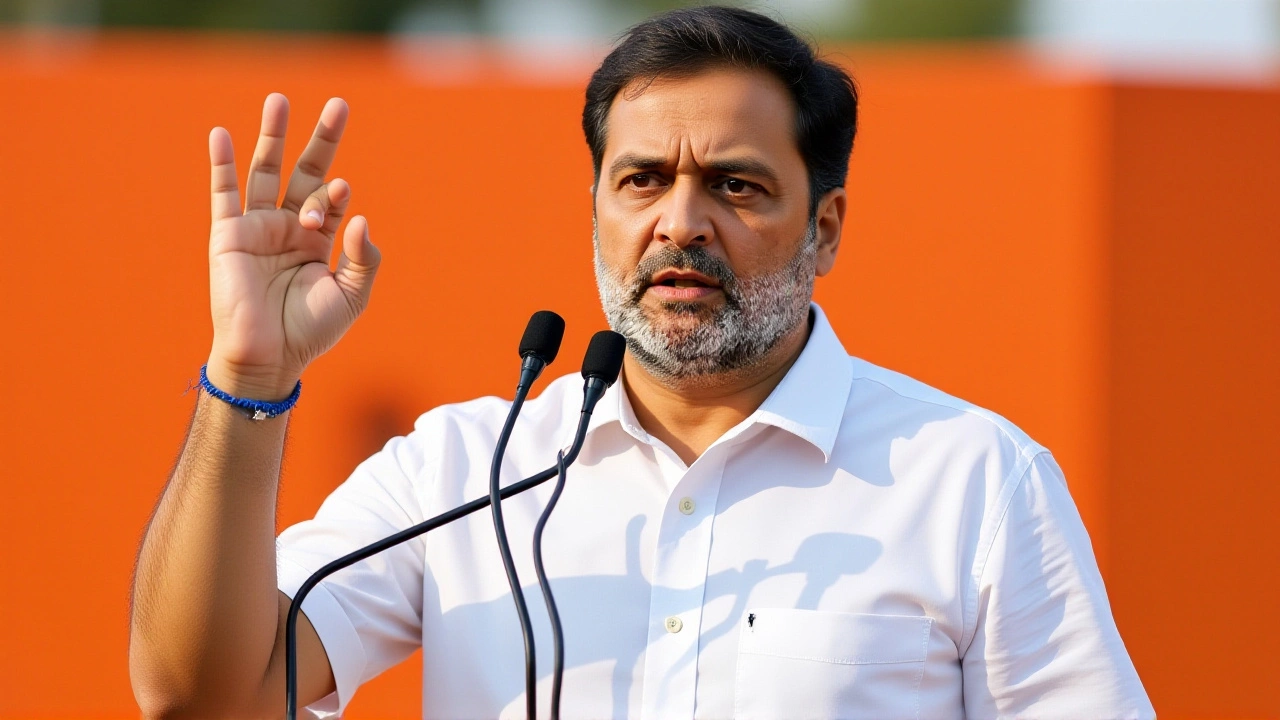
The internet moved fast. Within hours, short video clips of Gandhi’s speech circulated widely on YouTube and WhatsApp. One viral clip featured him telling leaders to "raise the issues of your society" (apne samaj ke mudde uthaiye). But the reaction wasn’t uniformly positive. A longer debate-style video titled "'Bhaijan' Issues: Are These Rahul’s Top Priority?" sparked intense discussion. Critics questioned whether focusing heavily on Muslim issues might alienate other voter segments, while supporters argued that ignoring specific communal injustices is what cost the party previous elections.
Oddly enough, the details of the meeting itself remain sparse. We don’t know exactly who attended beyond the broad description of "Muslim leaders." There were no names released, no formal resolutions published, and no budget figures attached to new initiatives. The opacity is typical of internal party meetings, but it leaves journalists and voters guessing about the concrete steps that will follow this rhetorical push.
Broader Implications for Opposition Strategy
This move reflects a larger trend in Indian opposition politics. After years of struggling to define a coherent counter-narrative to the BJP’s Hindutva agenda, parties like the Congress are experimenting with different approaches. Some opt for secular universalism; others, like Gandhi seems to be doing here, are leaning into identity-specific advocacy. The risk? Accusations of vote-bank politics. The reward? Mobilizing a disaffected electorate that feels invisible in mainstream discourse.
Consider the precedent set by similar strategies in states like Kerala and West Bengal, where focused outreach to specific communities helped secure narrow victories. If the Congress can replicate that model in Uttar Pradesh, the implications for the next general election could be seismic. But if it backfires, painting the party as divisive, the damage could be equally severe.
What’s Next?
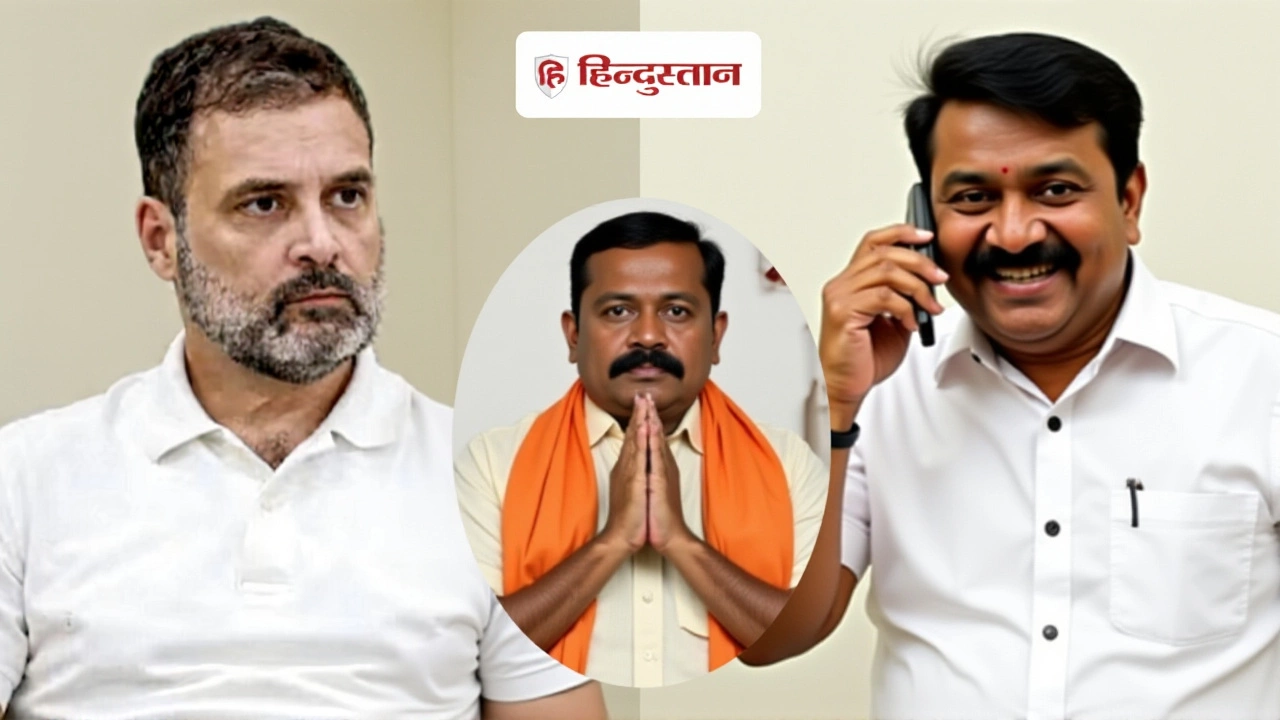
Watch for announcements in the coming weeks regarding candidate selections in key constituencies. Will the Congress field more Muslim candidates in competitive seats? That will be the true test of Gandhi’s exhortation. Words are cheap in politics; ticket distribution is not. Additionally, keep an eye on how the BJP responds. They may try to frame this as communal appeasement, forcing the Congress to defend its stance publicly.
For now, the ball is in the court of the party’s grassroots leaders. Can they translate Gandhi’s high-level directive into tangible action? Or will this remain another well-intentioned speech lost in the noise of election season? Only time—and the ballot box—will tell.
Frequently Asked Questions
Why did Rahul Gandhi emphasize using the word "Muslim" instead of "minority"?
Gandhi argued that the term "minority" is too broad and abstract, often diluting the specific nature of grievances faced by the Muslim community. By insisting on using the word "Muslim," he aims to force political actors to acknowledge and address issues directly related to that specific identity, making it harder to ignore or generalize the problems.
How does this relate to the Uttar Pradesh elections?
Uttar Pradesh is a critical electoral battleground with a large Muslim population. The Congress party has historically struggled to unify this vote bank. Gandhi’s directive is seen as a strategic effort to mobilize Muslim voters by empowering local leaders to advocate specifically for their community’s interests, potentially shifting the balance in favor of the opposition.
Did Gandhi mention other communities besides Muslims?
Yes. He extended his advice to include Dalits, Other Backward Classes (OBCs), and people from the general category. He stated that any attack or injustice against members of these groups should also be raised with explicit reference to their specific community identity, applying the same principle of targeted advocacy across all social segments.
What is the "advisory council of the minority department"?
It is an internal body within the Indian National Congress tasked with advising the party on issues affecting religious and social minorities. The council includes leaders from various minority communities and helps shape the party’s policy and outreach strategies for these demographics.
Are there concrete plans to increase Muslim political representation?
While Gandhi urged leaders to work toward increasing participation and representation, no specific quotas, seat-sharing agreements, or numerical targets were announced in the available reports. The focus remains on rhetorical empowerment and encouraging leaders to speak out, with concrete electoral strategies likely to emerge closer to the election date.