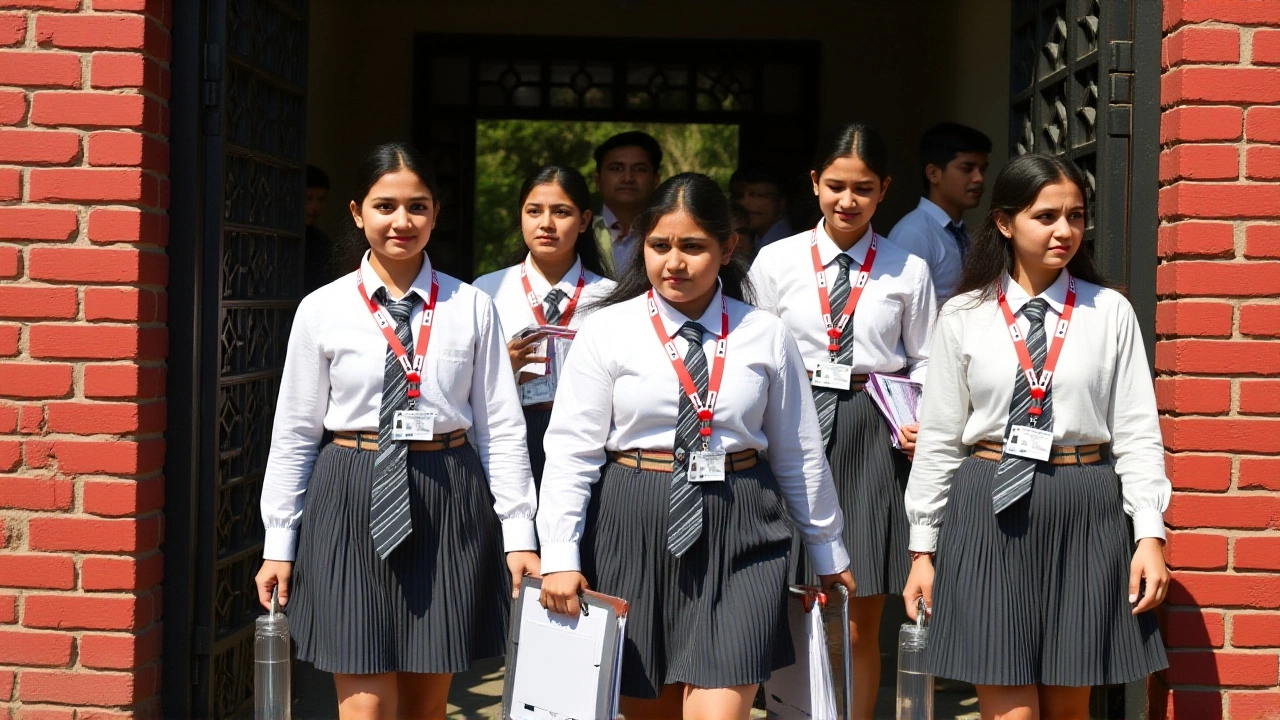
Students waiting for the Central Board of Secondary Education (CBSE) Class 10 second board exam results can finally breathe a sigh of relief. While an official date hasn't been stamped on paper yet, multiple credible reports point to a release window in June 2026. This isn't just another exam cycle; it’s the first full implementation of the controversial "Two Board Examination Policy," giving students a rare second chance at their grades.
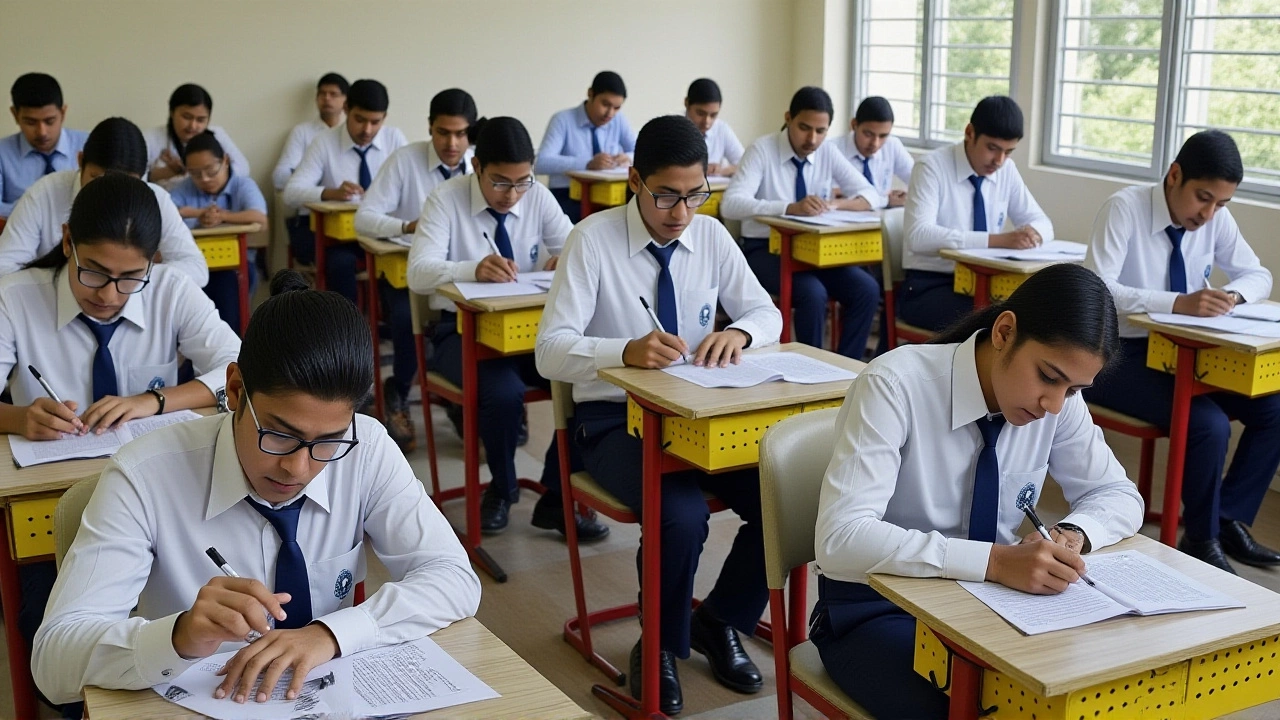
The exams wrapped up on May 21, 2026, after a seven-day stretch starting May 15. Now, the wait begins. Here’s everything you need to know about when, where, and how to check your scores, plus why this policy shift matters more than you might think.
When Will the Results Be Declared?
Let’s get straight to the point. No one has handed down a specific calendar day yet. However, the consensus among education portals like TV9 Hindi, NDTV, and Dainik Jagran is clear: expect the results sometime in June 2026.
Why June? It’s simple logistics. The last paper—Social Science—was held on May 21. CBSE typically takes about a month to process, verify, and publish results. That puts us squarely in mid-to-late June. NDTV’s education desk noted that results are usually released within 30 days of the final exam. So, while we’re not holding our breath for June 1st, don’t be surprised if your scores pop up before July hits.
Key Fact: The provisional digital marksheet will serve as your official document until the physical certificate arrives from your school or the board.
Who Can Take the Second Board Exam?
This is where things get tricky. You can’t just walk in off the street and take this test. The rules are strict, designed specifically for improvement, not retakes for those who missed the first bus.
- You must have appeared for the first board exam. If you skipped the February/March session entirely, you’re out. You’ll have to wait for next year’s main cycle.
- Passing status required. Generally, you need to have passed Class 10 to attempt improvement.
- Subject limit. You can improve marks in a maximum of three subjects. These are limited to Science, Mathematics, Social Science, and Languages.
- Compartment candidates. If you failed certain subjects in the first attempt, you can appear under the compartment category.
Crucially, registration wasn’t done by individual students. Schools had to submit the List of Candidates (LOC). If your school didn’t file your name during the submission windows (March 18–31, April 16–20, or the late fee window of April 21–22), you likely won’t see a result.
How to Check Your Results Online
Once the results go live, you won’t need to stand in line at a government office. Everything is digital. Here’s the step-by-step process:
- Visit Official Portals: Go to the CBSE’s official result websites. There are two primary domains used for result declarations.
- Enter Credentials: Input your Roll Number and other details found on your admit card. Accuracy is key here—one wrong digit and you’re staring at a blank screen.
- Alternative Platforms: If the main site crashes (which happens, trust me), you can also check via the UMANG app or DigiLocker. Both are government-backed digital platforms that host verified educational documents.
Pro tip: Screenshot your result immediately. Servers tend to choke when millions of students log in simultaneously. Also, remember that the online marksheet is provisional. Keep it safe until your school issues the final hard copy.
The Cost of a Second Chance
Second chances aren’t free. For Indian students, the fee structure was set at ₹320 per subject. Since most students took three subjects, the total came to ₹960. For international students, the costs were significantly higher: ₹1,100 per subject for Nepali citizens and ₹2,200 per subject for others.
If schools missed the initial deadlines, they faced a steep late fee of ₹2,000 per student. This penalty was enforced strictly during the short window of April 21–22, 2026. It’s a reminder that bureaucracy doesn’t sleep, even in education.
Why This Policy Matters
The "Two Board Examination Policy" approved in June 2025 was a massive shift. Previously, students had only one shot at their Class 10 boards. Now, with exams split into February and May sessions, the pressure cooker has been slightly opened. But it’s not without friction. Critics argue it complicates the academic calendar, while supporters say it reduces dropout rates and anxiety.
For 2026, this is the test case. How smoothly did the LOC submissions go? Were there technical glitches? The answer lies in these June results. If the system holds up, we might see this model expand to Class 12 next.
Frequently Asked Questions
What is the exact date for CBSE Class 10 Second Board Results 2026?
There is no single confirmed date yet. However, based on the exam ending May 21, 2026, and standard processing times, results are expected to be declared in June 2026. Students should monitor the official CBSE website daily starting mid-June.
Can I check my result on DigiLocker or UMANG?
Yes. Once the results are published on the CBSE portal, they are automatically synced with government digital platforms. You can access your verified marksheet via the UMANG app or DigiLocker using your Aadhaar-linked credentials or roll number details.
I missed the first board exam. Can I take the second one?
No. Eligibility for the second board exam requires that you appeared for the first board examination. If you missed the initial session entirely, you cannot register for the improvement exam. You must wait for the next academic year’s main board exams.
Which subjects can I improve marks in?
You can attempt improvement in a maximum of three subjects. These are restricted to core areas: Science, Mathematics, Social Science, and Languages (such as English, Hindi, etc.). You cannot choose optional or vocational subjects for improvement under this policy.
Is the online marksheet valid for college admissions?
The online marksheet serves as a provisional scorecard. Most institutions accept it for initial admission processes. However, you will eventually need to submit the original, physically signed certificate issued by your school or the board for final verification.