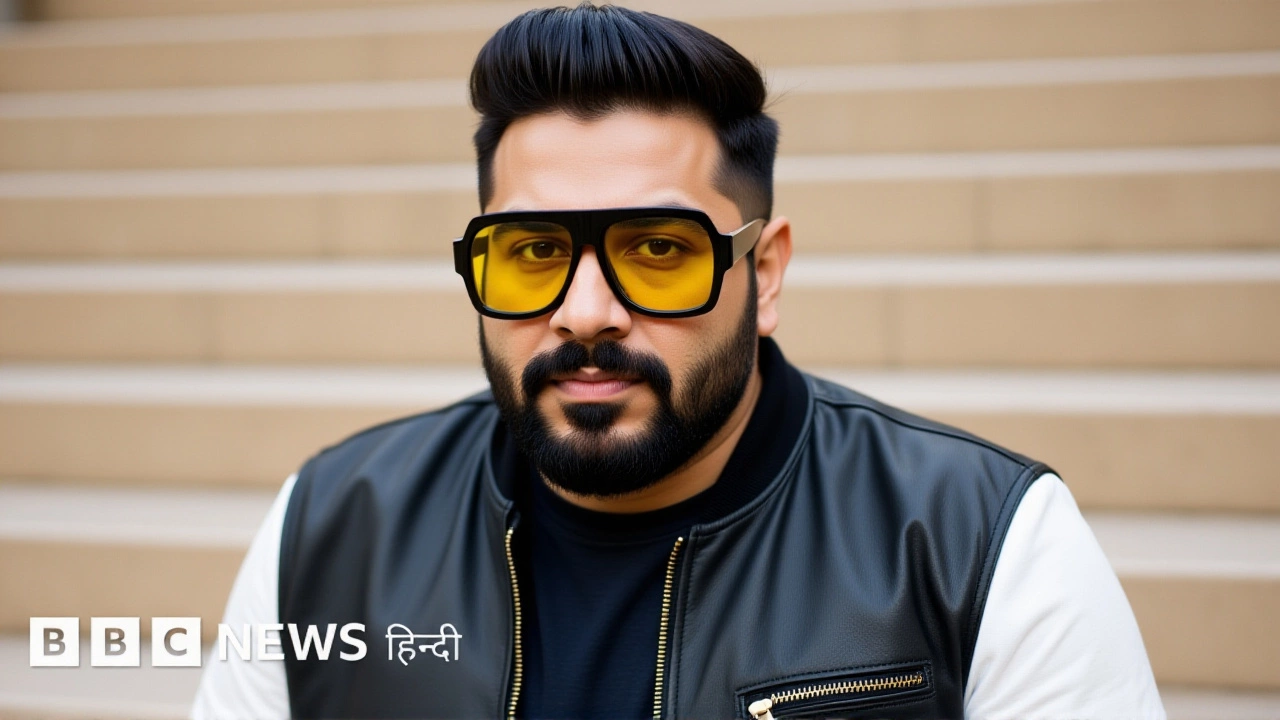
When Badshah, rapper and singer, released his latest track "Tateeree" on March 1, he likely expected charts to climb. He didn't expect a summons from the state government.
The controversy erupted quickly in Haryana, where critics argued that specific lyrics and visual elements in the music video were offensive. The backlash was immediate and severe, forcing the artist to issue a public apology via social media just days after release.
A Rapid Escalation
Here’s the thing about viral content: it spreads faster than any crisis management team can react. "Tateeree" dropped on March 1, but by mid-March, the narrative had shifted entirely from musical appreciation to cultural offense. Critics pointed to particular lines and imagery as disrespectful, specifically targeting sentiments within the Haryana community.
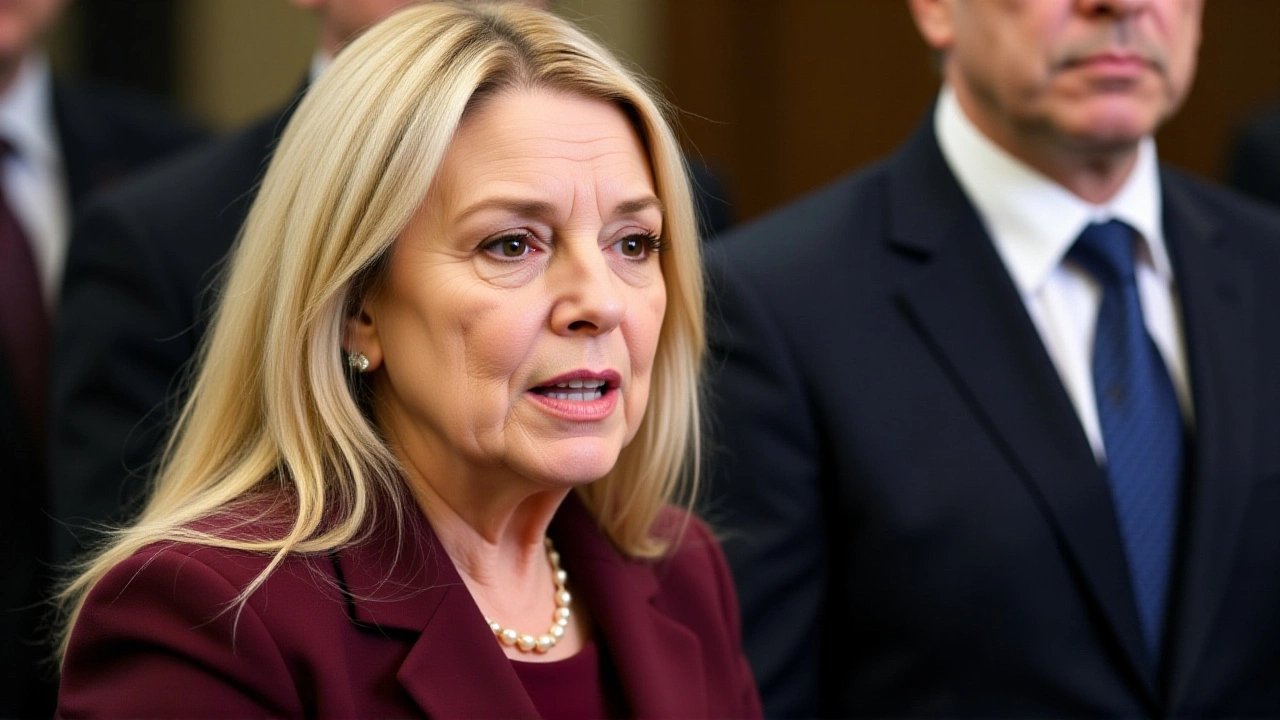
The situation escalated beyond online comments when official bodies got involved. The Haryana Women's Commission stepped in, issuing a formal notice to Badshah. This isn’t just a social media scolding; it’s a legal procedural step. The commission summoned him to appear before them on March 13, signaling that the allegations carried enough weight to warrant official scrutiny.
The Public Apology
Facing mounting pressure, Badshah took to his official Instagram account to address the furor directly. In a video statement, he didn’t deflect blame or hide behind artistic freedom arguments. Instead, he acknowledged the hurt caused.
"My new song has been released, and I see that due to my lyrics and visual representation, the message conveyed has hurt many people, especially my people of Haryana," he stated in the clip. The admission was direct. He recognized that regardless of intent, the impact was negative for a significant portion of his audience.
But wait—there was a crucial layer to his defense. Badshah emphasized his roots. "I am a proud Haryanvi," he said. "It was never my intention to say anything foolish about any child or woman of Haryana." By anchoring his identity to the region he allegedly offended, he attempted to bridge the gap between his art and his audience. It’s a delicate balance: admitting fault while asserting belonging.
Why This Matters
This incident highlights the growing tension between creative expression and regional sensibilities in India’s music industry. For years, hip-hop and rap have navigated this tightrope, often facing censorship or bans for content deemed vulgar or culturally insensitive.
The involvement of the Haryana Women's Commission adds a regulatory dimension. It suggests that state-level bodies are increasingly monitoring digital content for gender-based offenses or cultural disrespect. For artists, this means the stakes are higher. A misstep isn’t just bad PR; it can lead to legal summonses and potential investigations.
Consider the precedent. Similar controversies have plagued other major artists in recent years, leading to song bans and public apologies. Each case tests the boundaries of what is acceptable in mainstream media. Badshah’s quick response might mitigate some damage, but the shadow of the March 13 hearing looms large.
What Happens Next?
All eyes are now on the March 13 appearance before the Haryana Women's Commission. Will Badshah attend? What will be the outcome of the inquiry? These questions remain unanswered, but the process itself sends a clear message to the entertainment industry: accountability is no longer optional.
For fans, the apology may suffice. But for regulators, the focus remains on whether the content violates any laws regarding obscenity or insult to women. The distinction between artistic license and legal violation is often blurry, making cases like this particularly complex.
Background Context
Badshah, whose real name is Amir Ali, has been a prominent figure in Indian hip-hop since the early 2010s. Known for hits like "London Thumakda" and "Genda Phool," he has consistently pushed boundaries with his lyrical style. However, this career-long approach has occasionally clashed with conservative values, leading to periodic controversies.
The "Tateeree" dispute mirrors earlier incidents where songs were pulled from streaming platforms due to public outcry. It reflects a broader societal debate about who gets to decide what is offensive—and how those decisions are enforced in the digital age.
Frequently Asked Questions
What is the 'Tateeree' song controversy about?
The controversy stems from claims that specific lyrics and visuals in Badshah's song "Tateeree" were offensive to the people of Haryana, particularly regarding their culture and women. Critics argued the content was disrespectful, leading to widespread public backlash and official complaints.
Why did the Haryana Women's Commission summon Badshah?
The Haryana Women's Commission issued a summons to Badshah to appear on March 13 following complaints that the song's content violated norms regarding respect for women and local sentiment. The commission investigates such grievances to determine if legal action or further inquiry is necessary.
Did Badshah apologize for the song?
Yes, Badshah issued a public apology via an Instagram video. He acknowledged that his lyrics and visuals hurt the feelings of many, especially people from Haryana. He clarified that he is a "proud Haryanvi" and had no intention of insulting anyone.
What could be the consequences for Badshah?
While the immediate consequence is a public apology and a summons, further outcomes depend on the commission's findings. Potential repercussions could include fines, mandatory content changes, or even legal charges if the content is deemed to violate obscenity or defamation laws.
When was the song 'Tateeree' released?
The song "Tateeree" was released on March 1. The controversy began shortly after its launch, escalating rapidly over the following days as public criticism grew and official bodies intervened.